



‹
›
‹
›
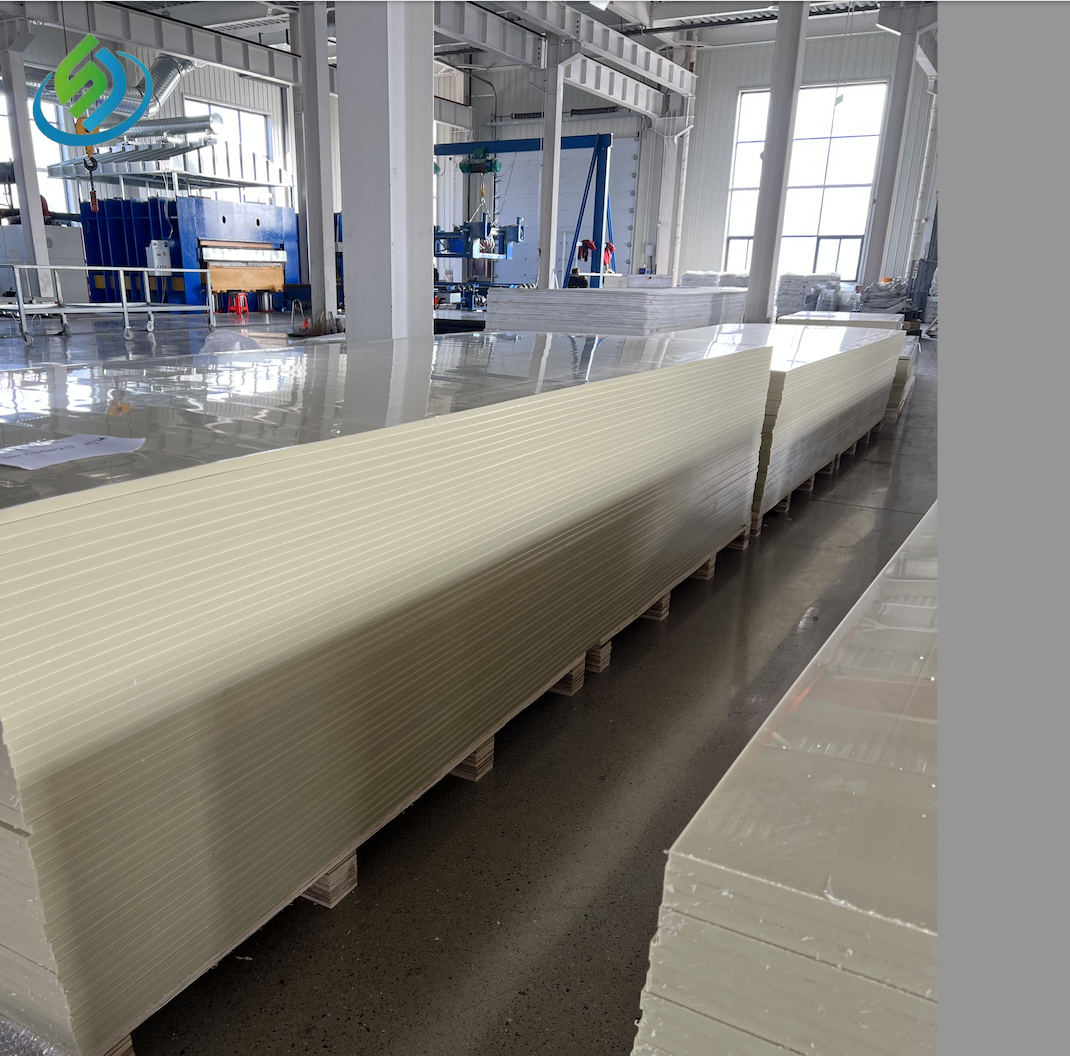
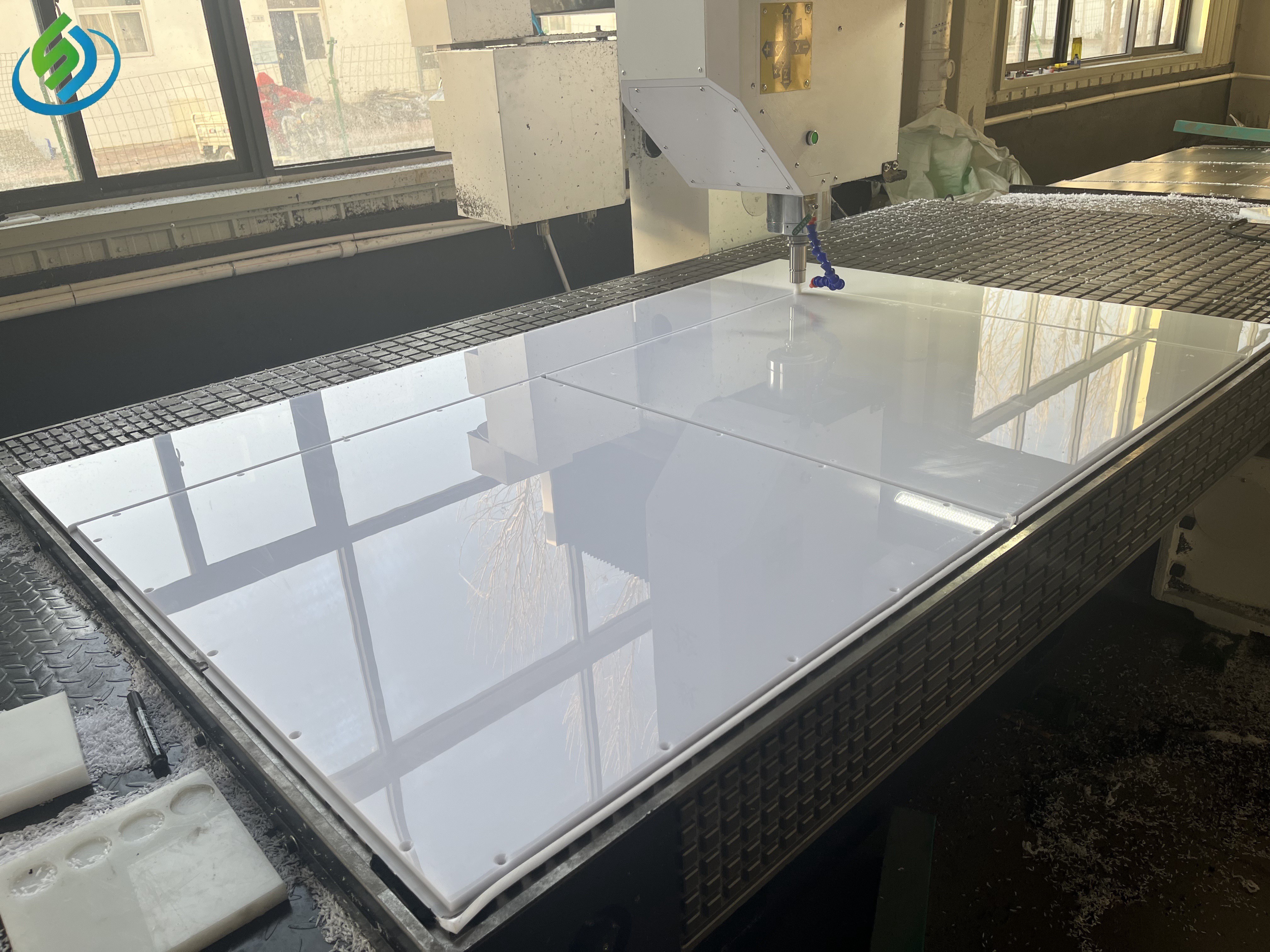
We have our own production base, enabling precise control over the entire production process to ensure stable product quality and reliable delivery. Deeply rooted in the field of ultra-high molecular weight polyethylene (UPE), we are committed to providing you with professional material solutions to address various complex scenarios. Equipped with over 10 sets of molding equipment, 5 extrusion production lines, and over 100 machining equipment, we sincerely invite cooperation.

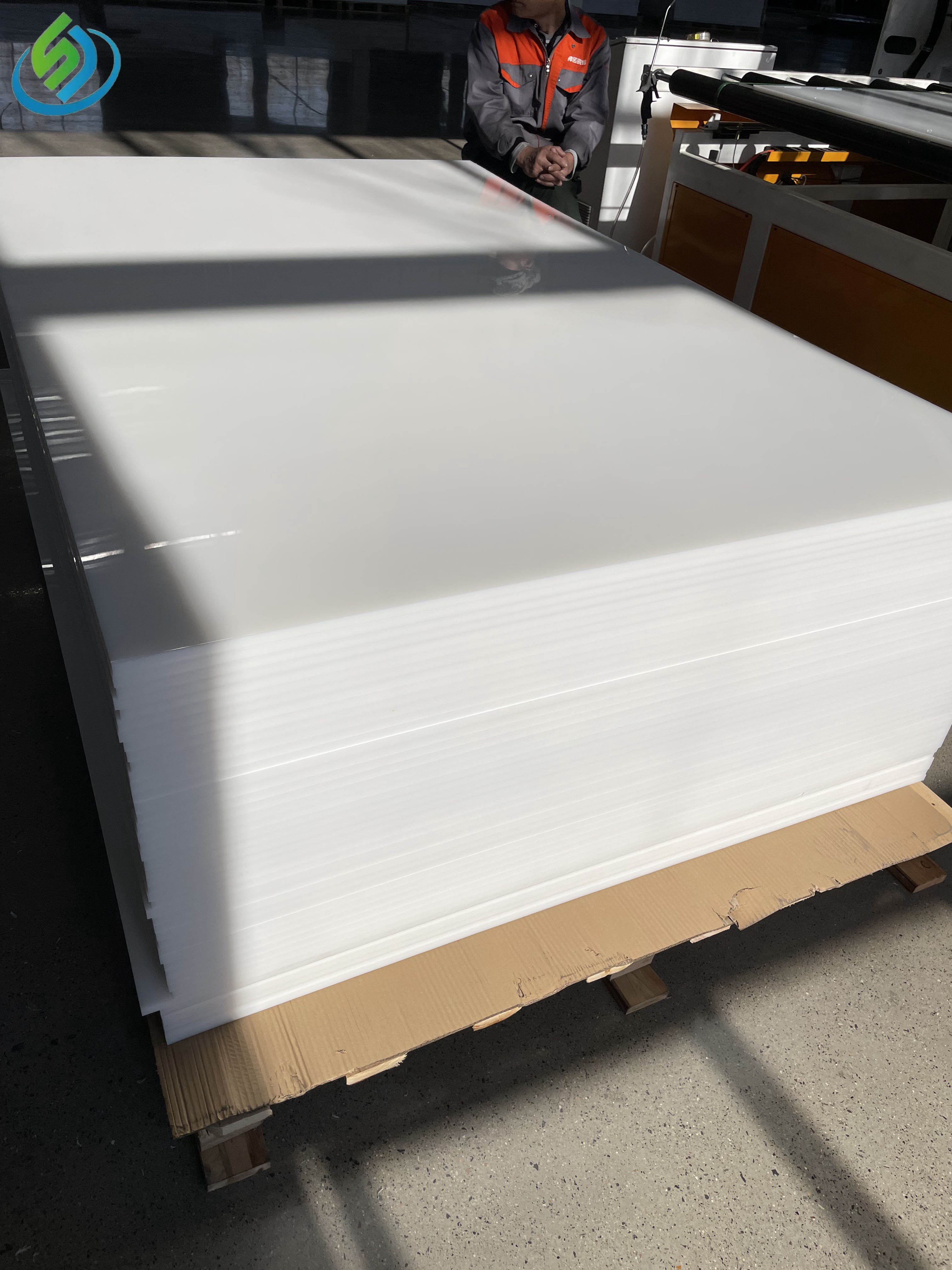
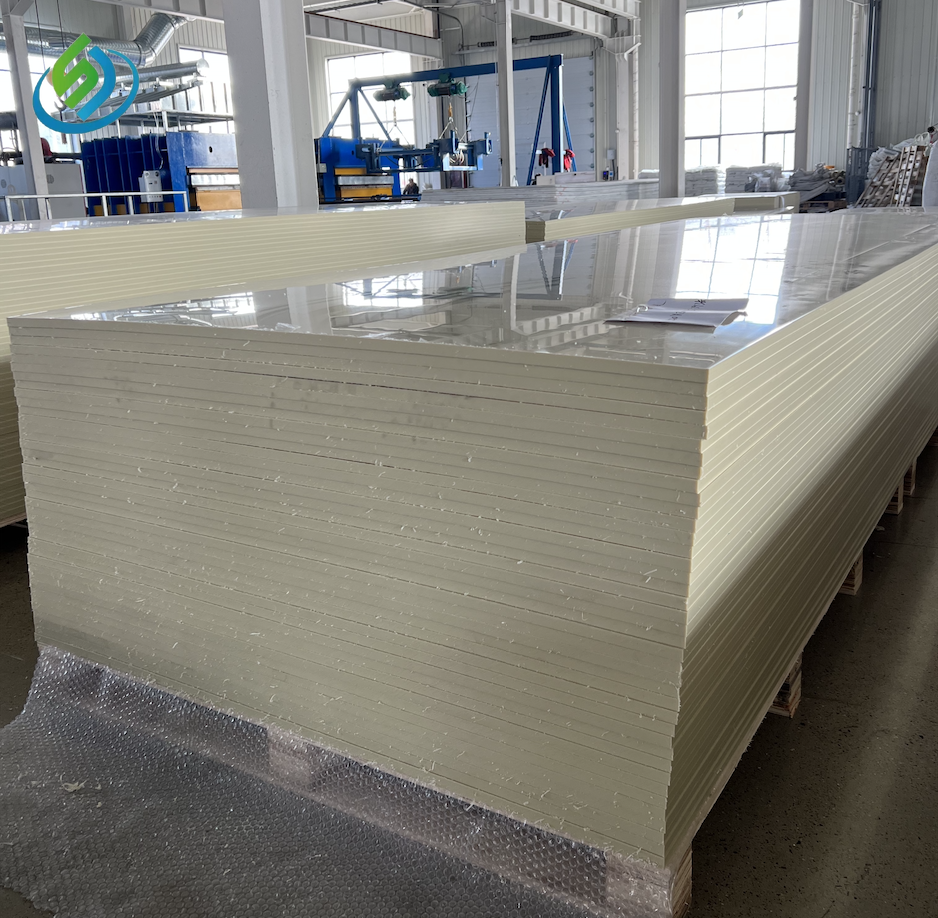
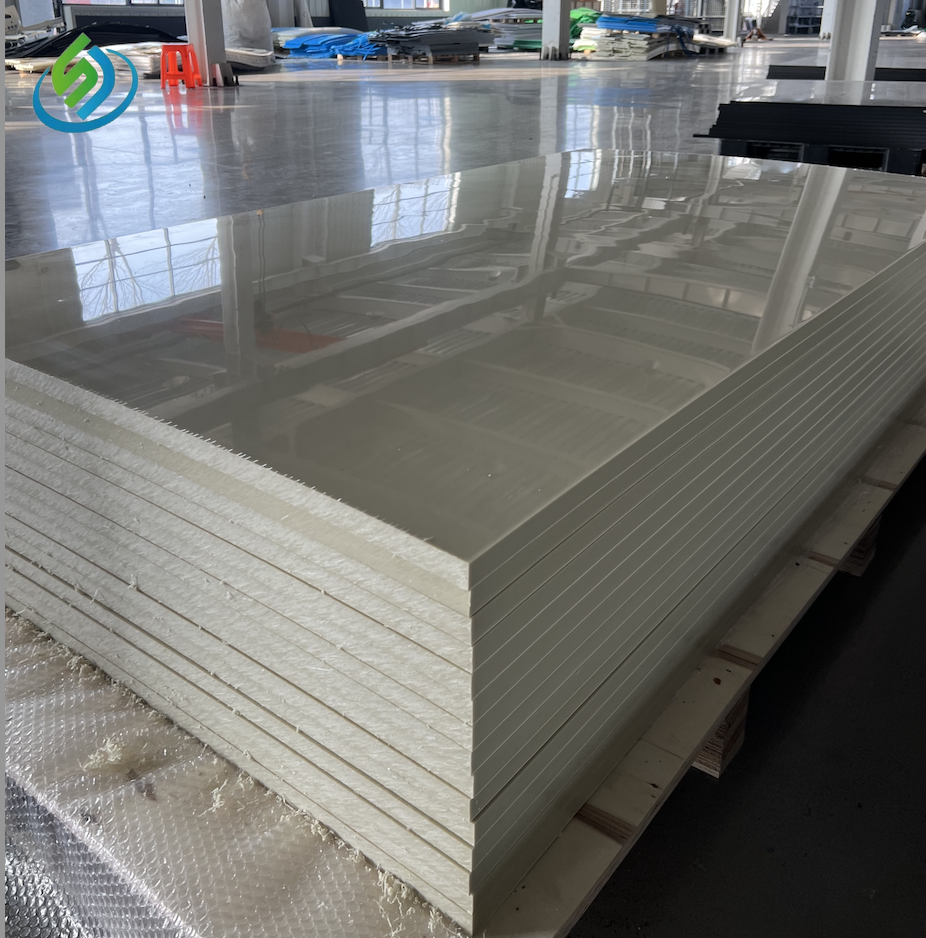
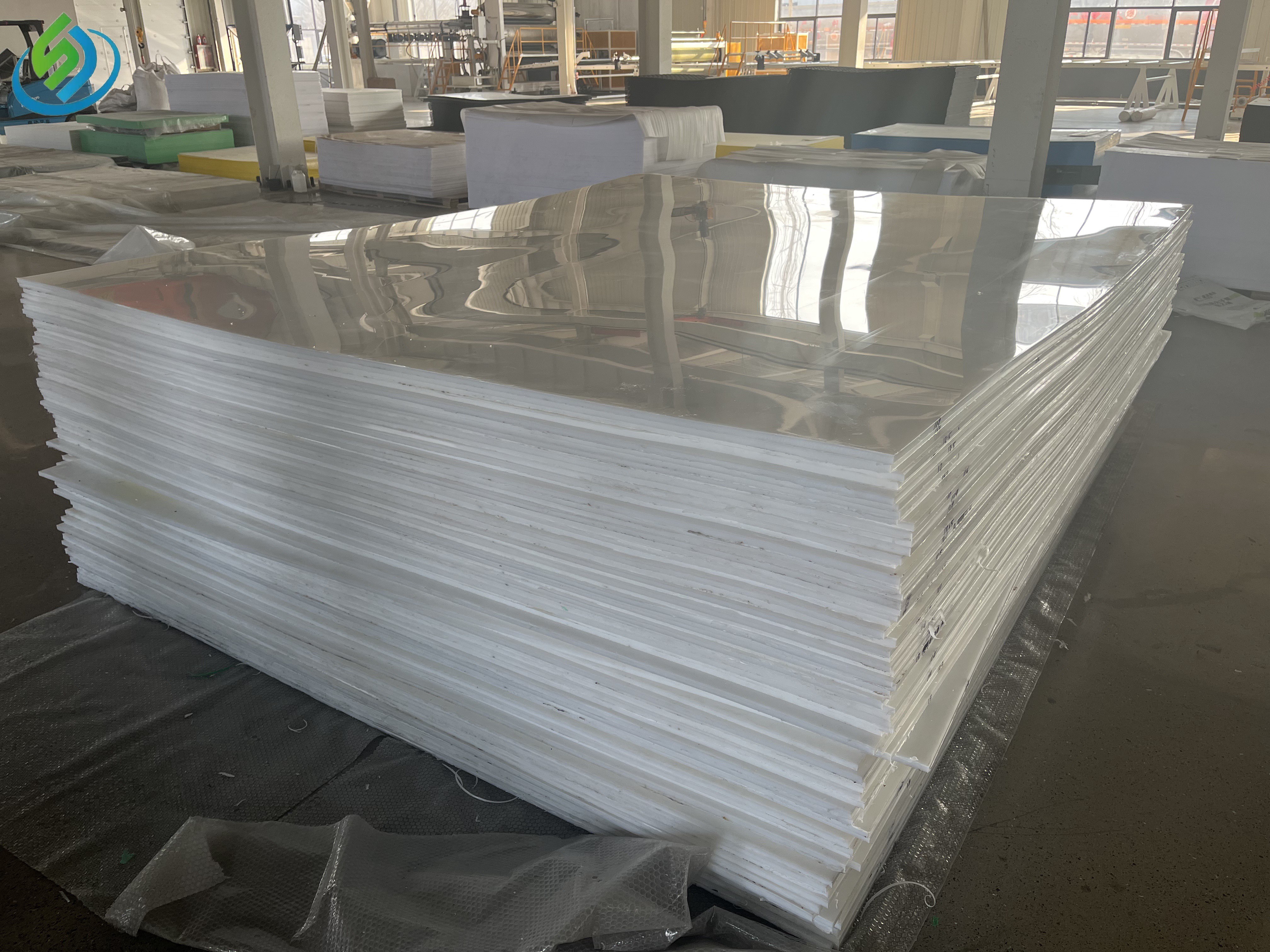
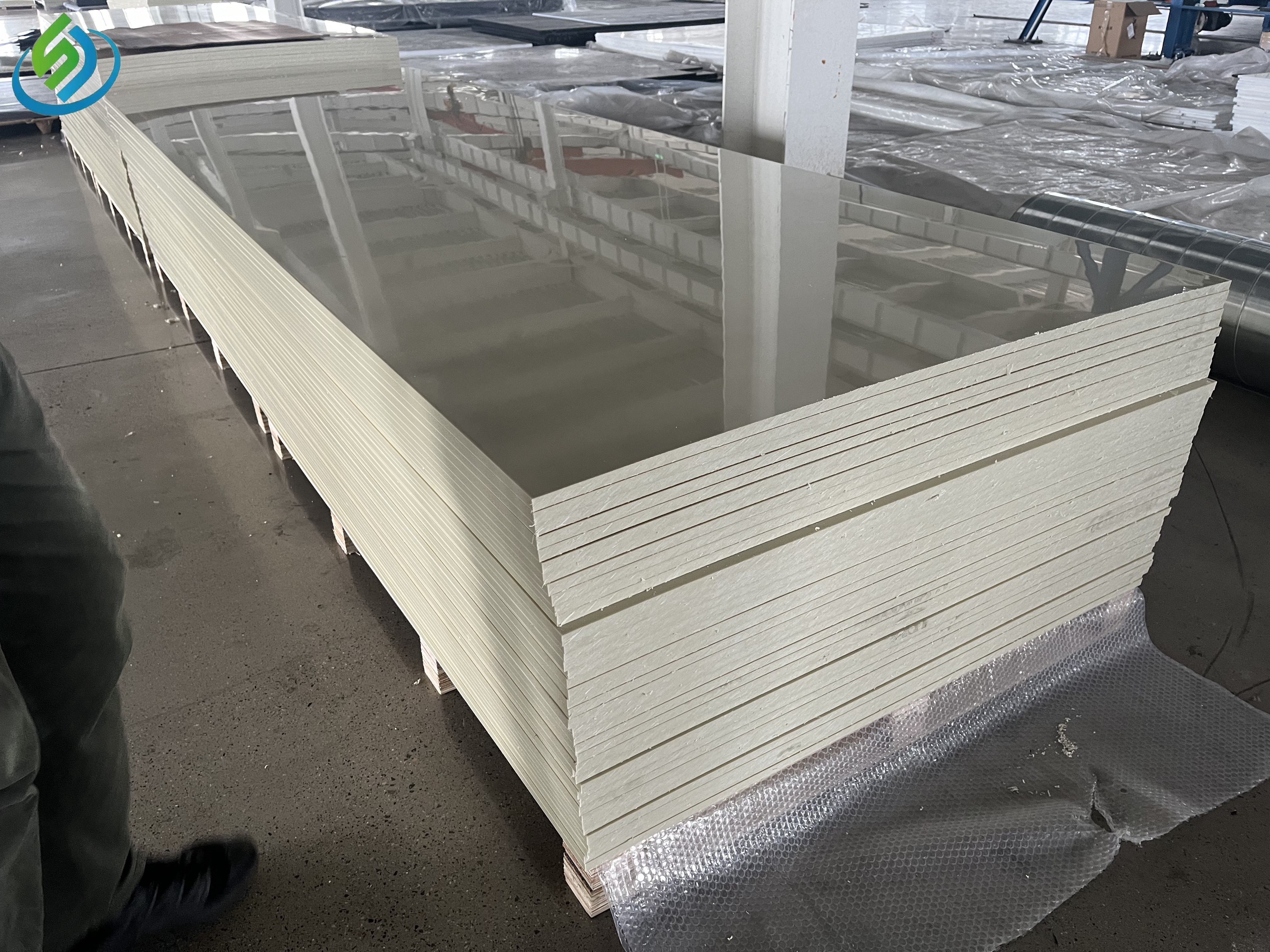
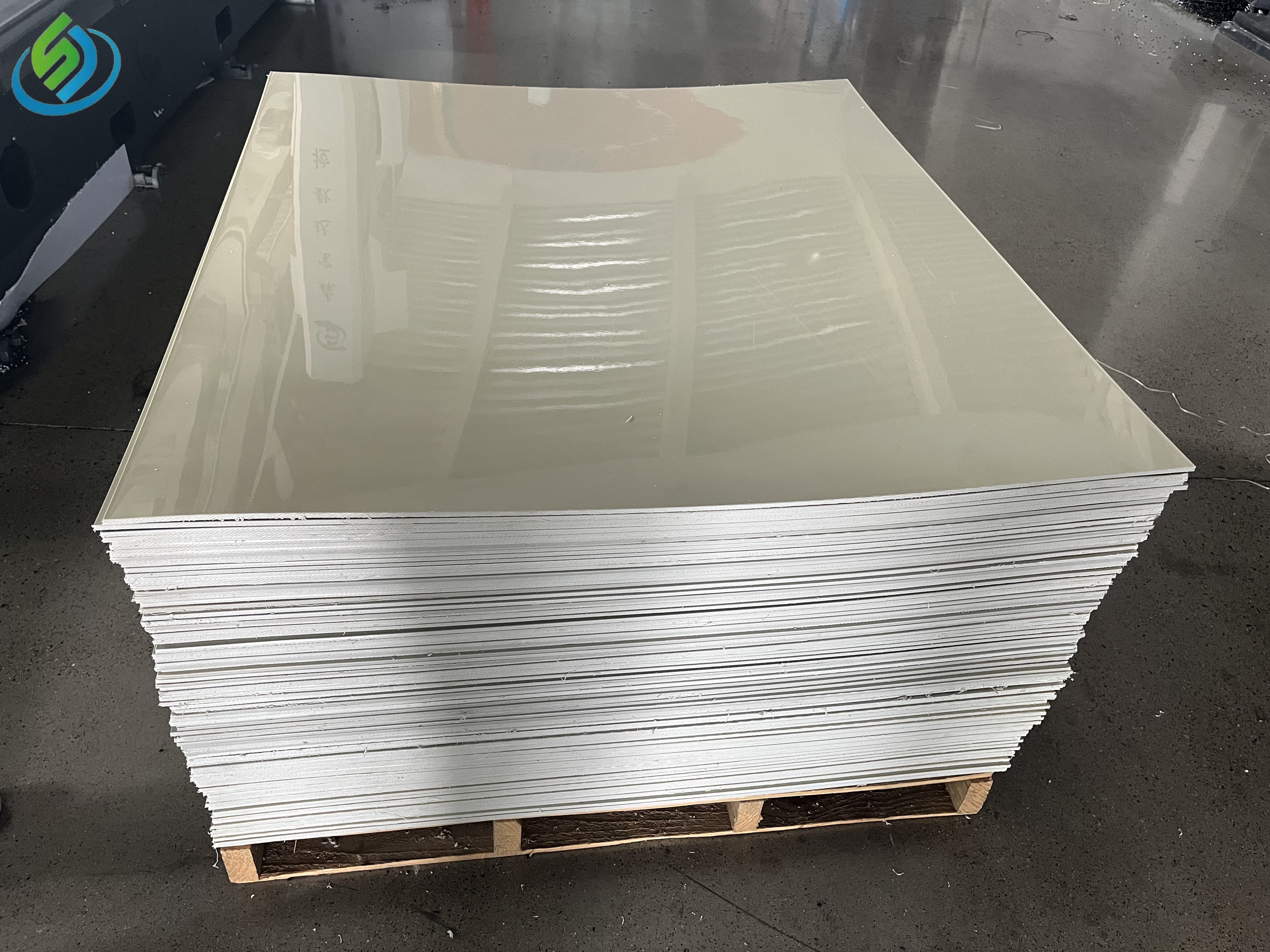
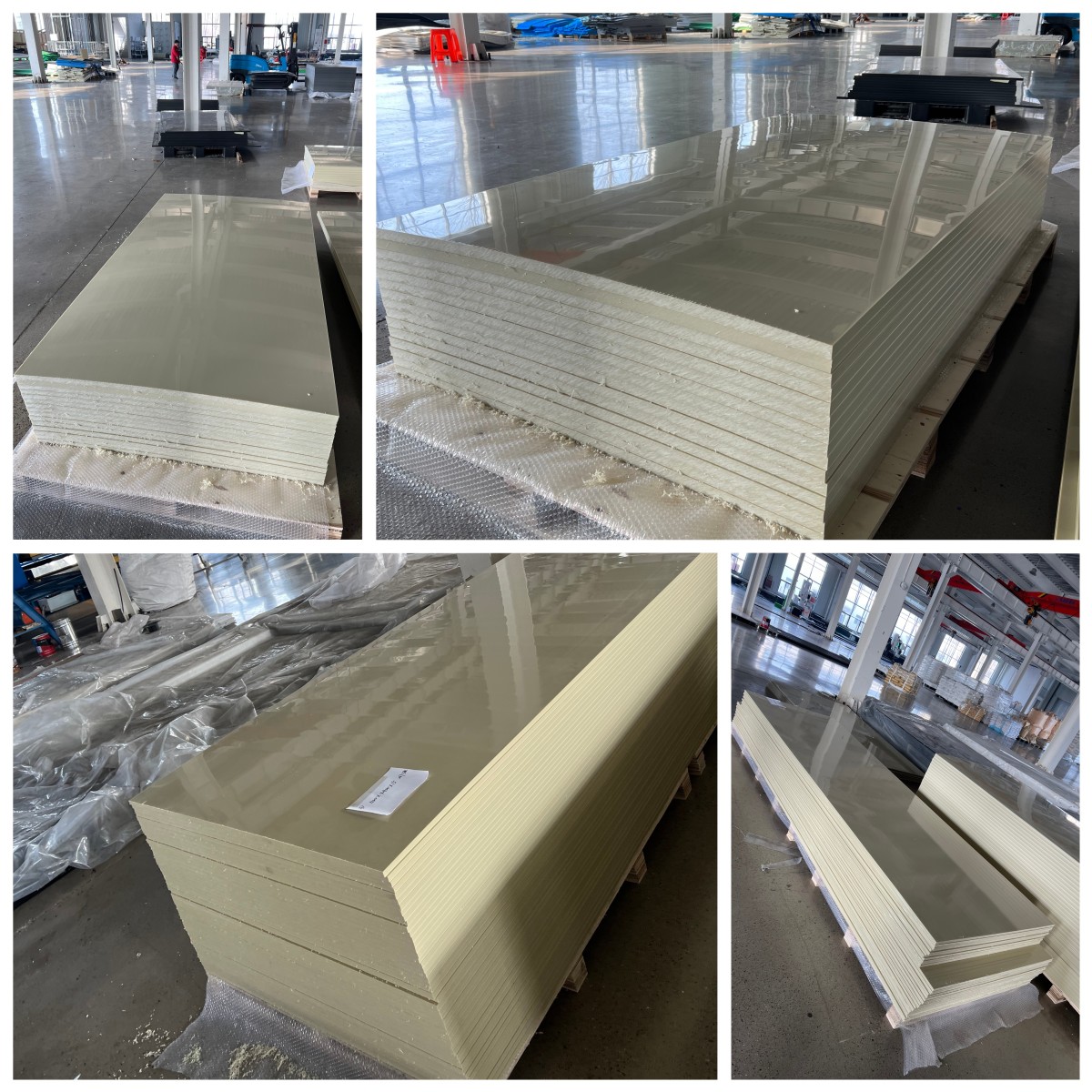
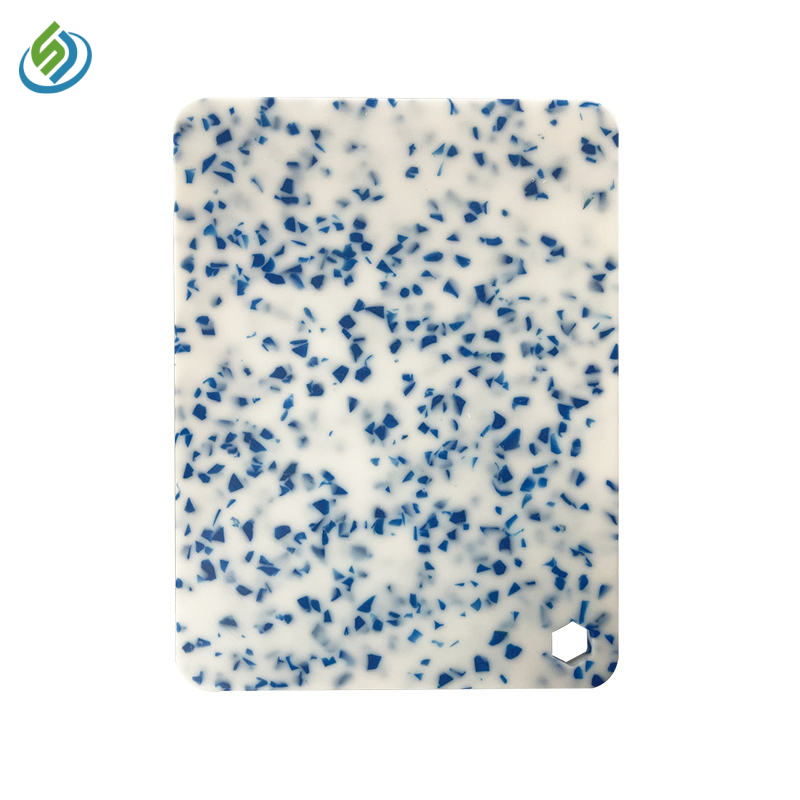
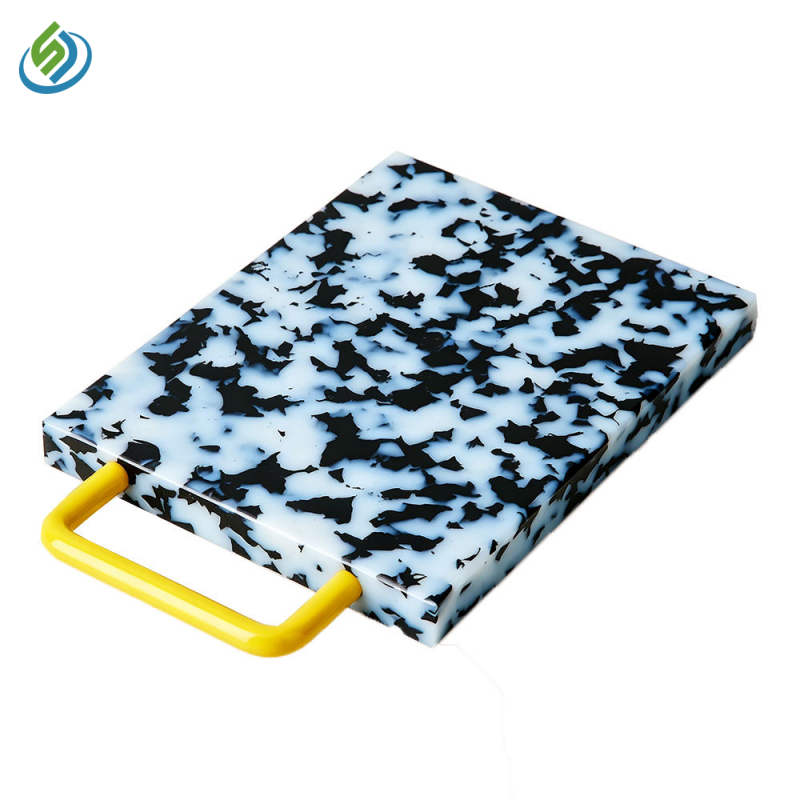
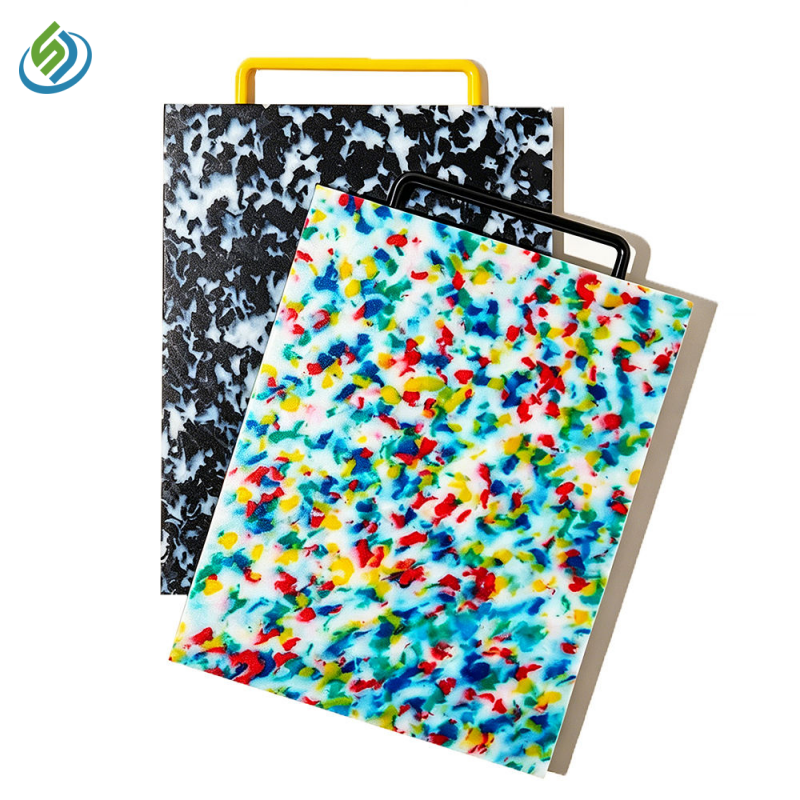
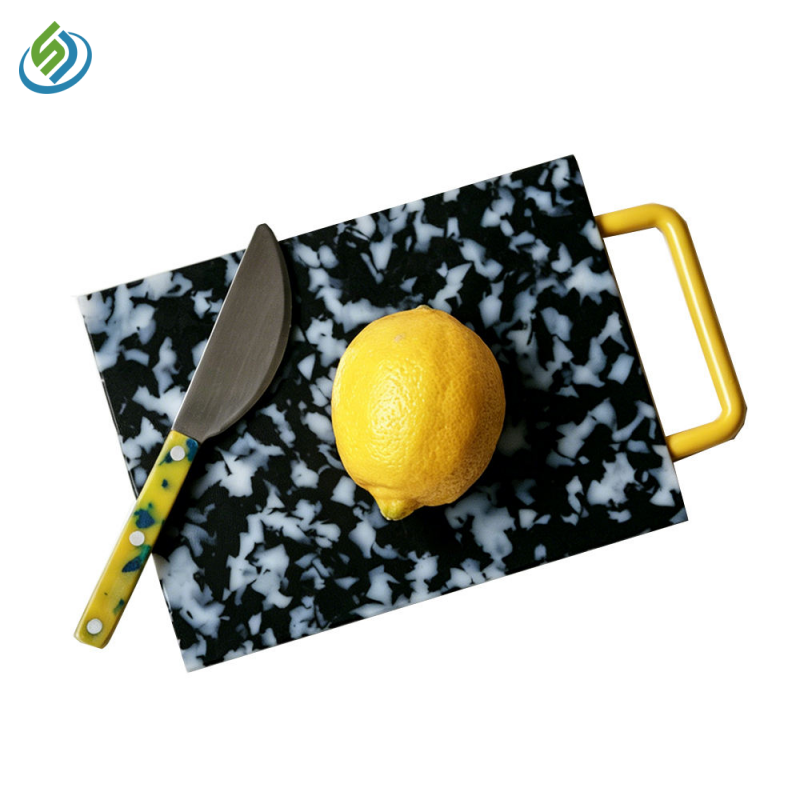
PP sheet, also known as polypropylene (PP) sheet (pure PP sheet, modified PP sheet, reinforced PP sheet, PP welding rod), is a semi-crystalline material. It is harder and has a higher melting point than PE. Because homopolymer PP becomes very brittle above 0°C, many commercial PP materials are random copolymers with 1-4% ethylene or block copolymers with higher ethylene content. Product name: Copolymer PP materials have lower heat distortion temperature (100°C), lower transparency, lower gloss, and lower rigidity, but have higher impact strength.
The strength of polypropylene (PP) increases with increasing ethylene content. PP has a Vicat softening temperature of 150°C. Due to its high crystallinity, this material exhibits excellent surface stiffness and scratch resistance. PP does not suffer from environmental stress cracking. PP is typically modified by incorporating glass fibers, metal additives, or thermoplastic elastomers. The mean flow rate (MFR) of PP ranges from 1 to 40. PP materials with low MFR exhibit better impact resistance but lower tensile strength. For materials with the same MFR, copolymers have higher strength than homopolymers. Due to crystallization, PP has a relatively high shrinkage rate, typically ranging from 1.8% to 2.5%.
Furthermore, the uniformity of shrinkage is much better than that of materials like PE-HD. Adding 30% glass additive can reduce the shrinkage rate to 0.7%. Both homopolymer and copolymer PP materials have excellent resistance to moisture absorption, acid and alkali corrosion, and solvents. However, it is not resistant to aromatic hydrocarbon solvents (such as benzene) and chlorinated hydrocarbon solvents (carbon tetrachloride). PP also does not retain its oxidation resistance at high temperatures like PE.
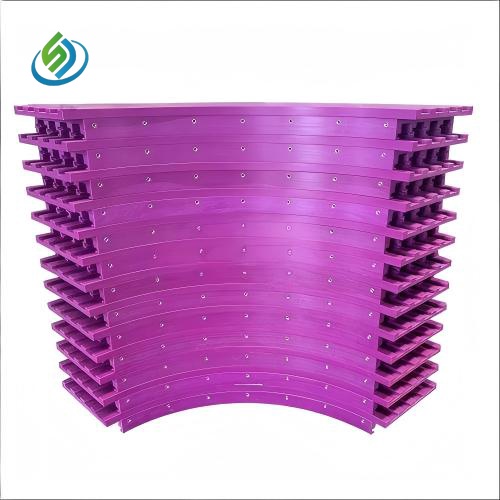
 Water Absorption Tank Panel
 Water Absorption Tank Panel
 Water Absorption Tank Panel
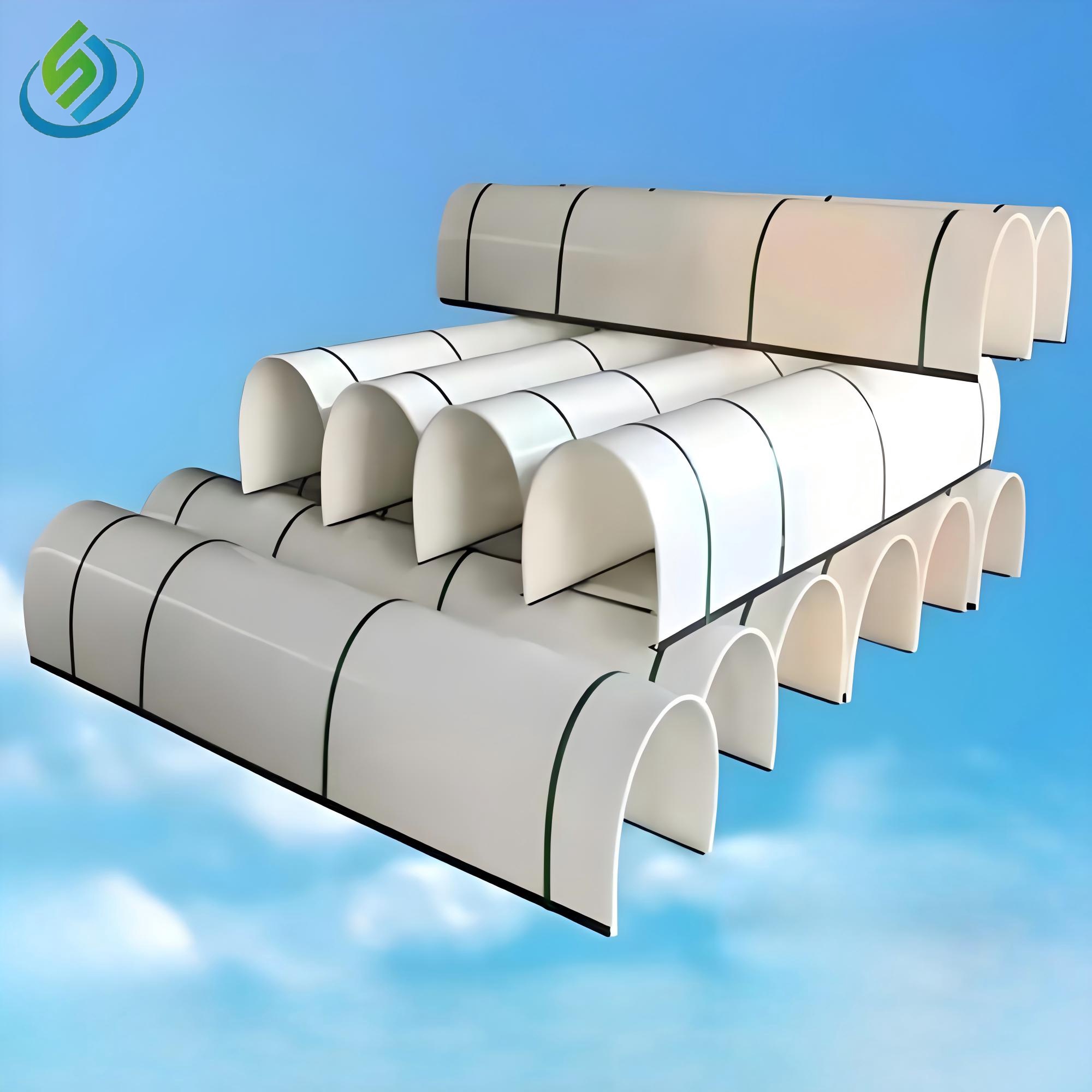
 U-shaped Liner
 Guide
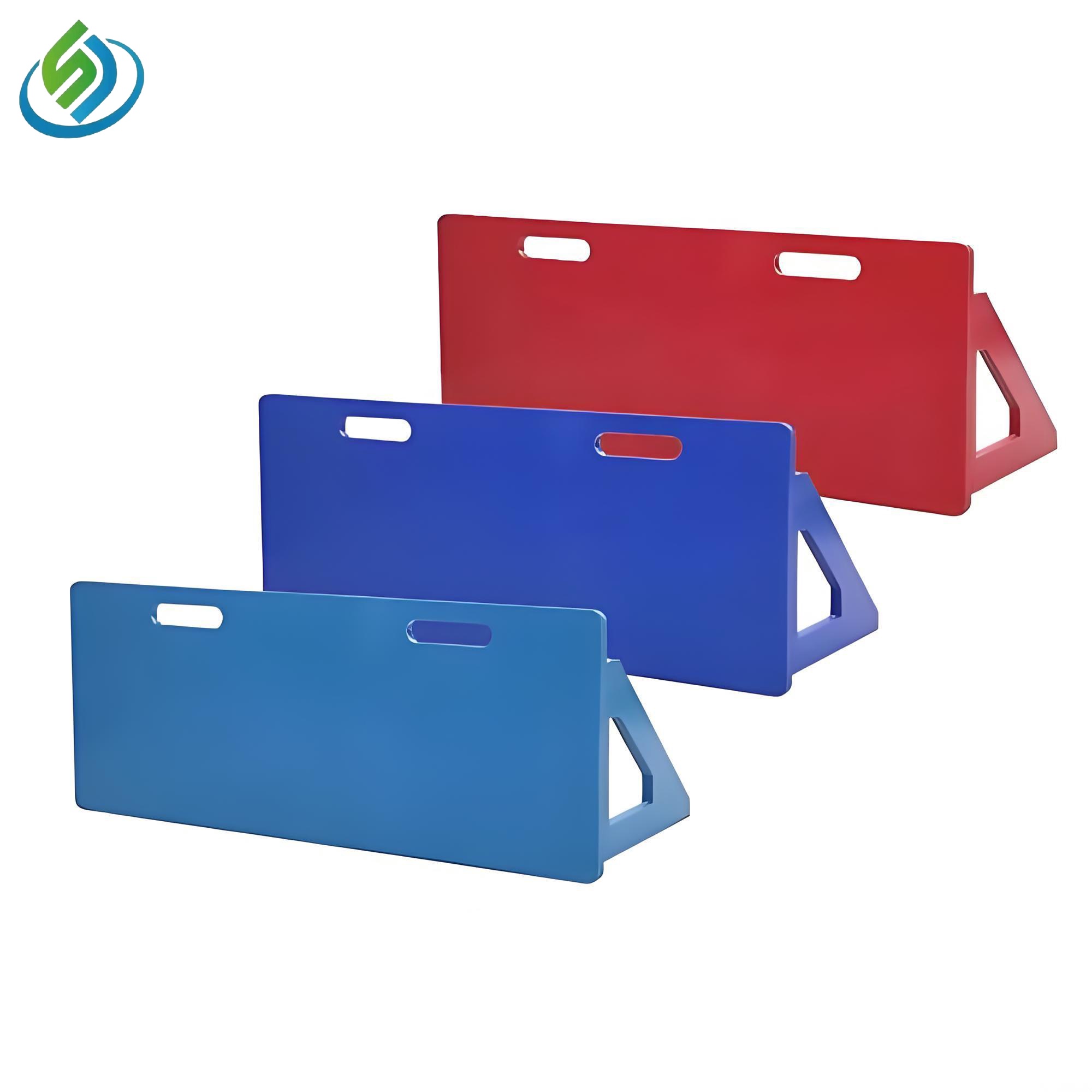
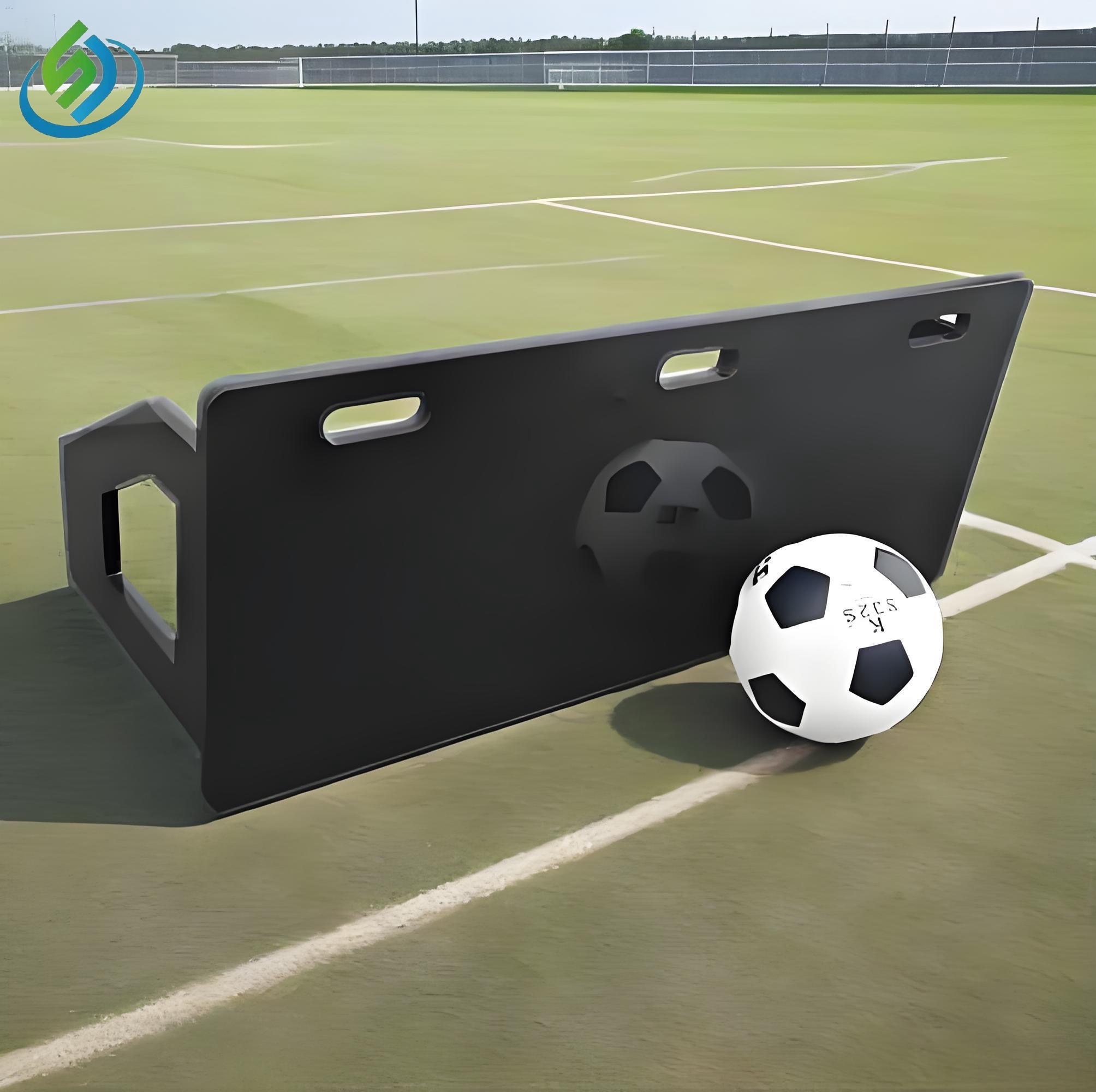
Guide Soccer Rebound Board
 Soccer Rebound Board
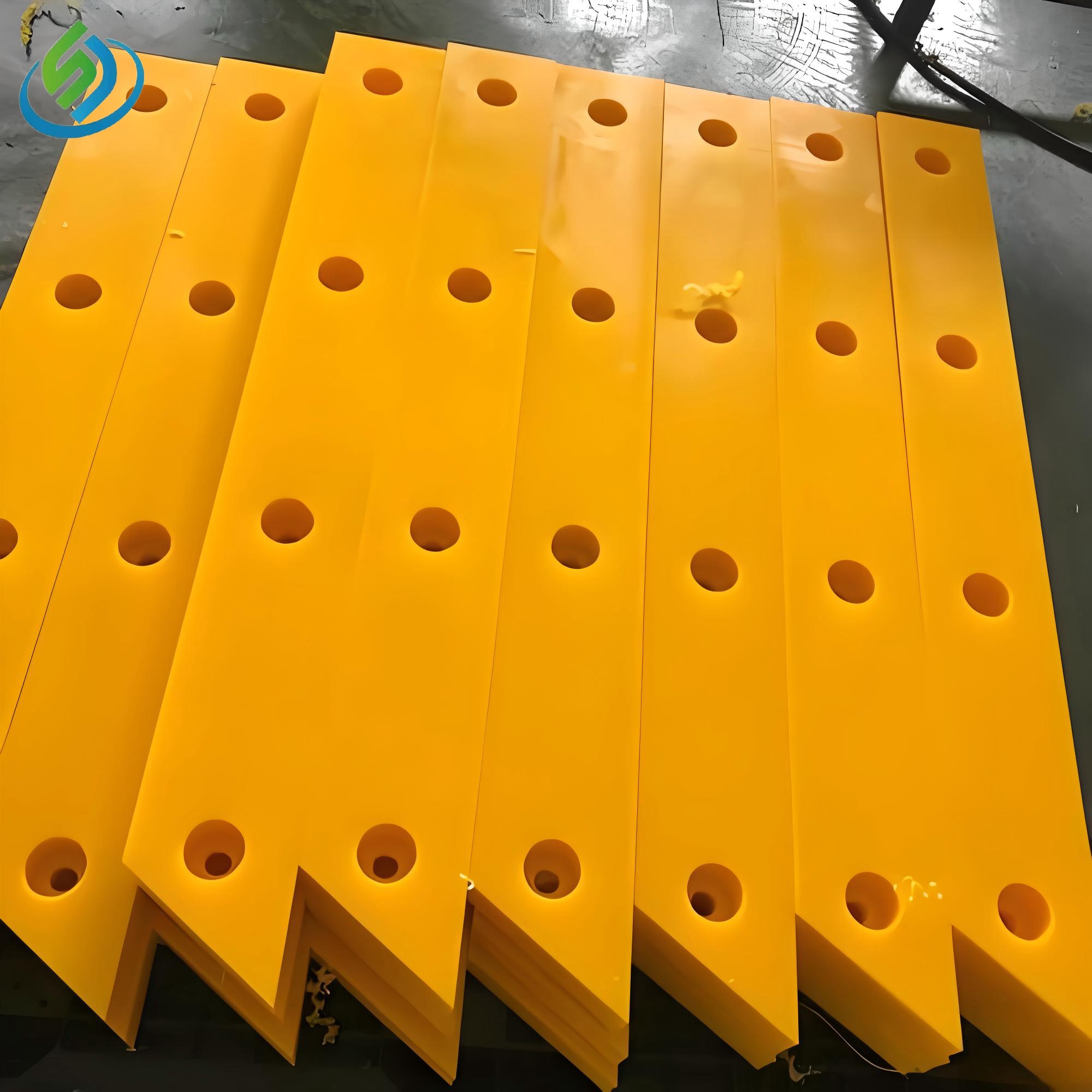
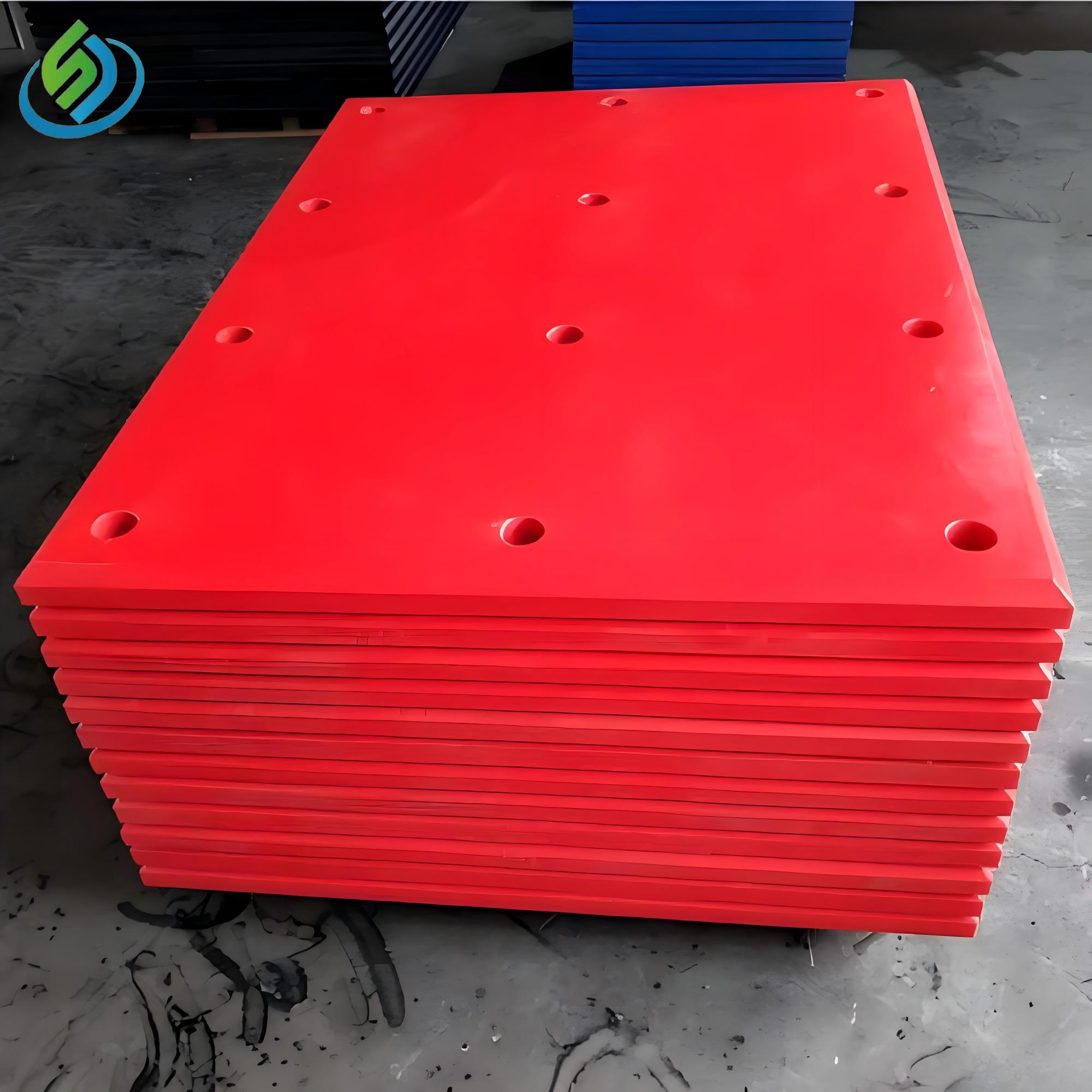
 UHMWPE Fender Pads
 UHMWPE Fender Pads
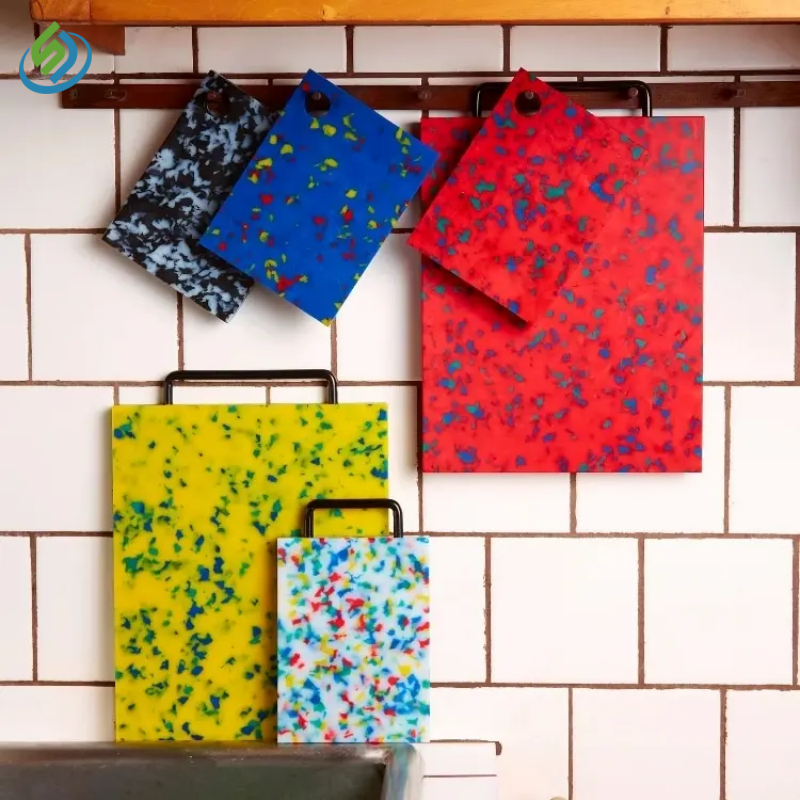
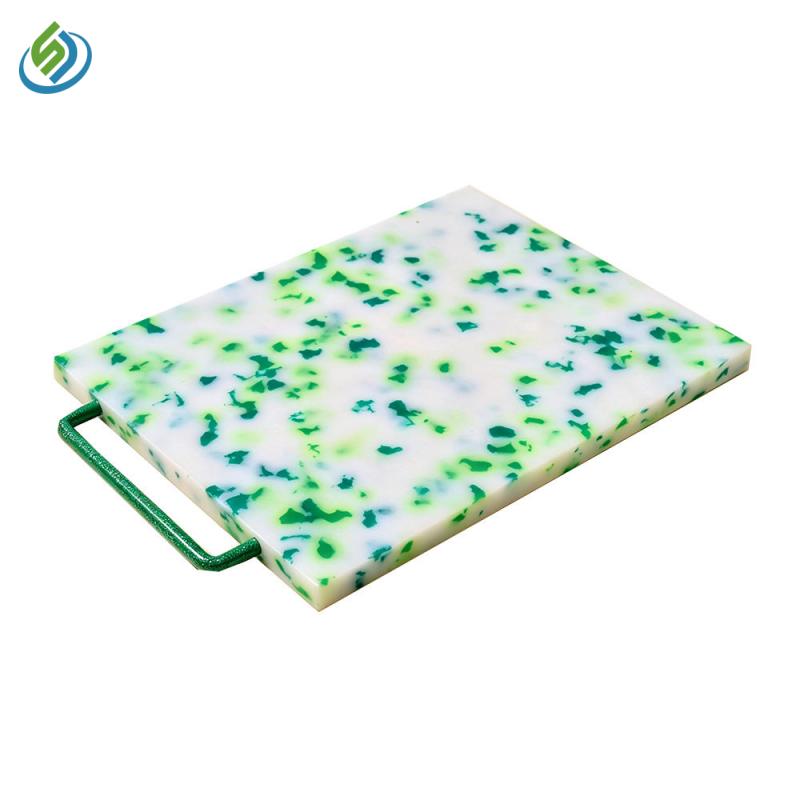
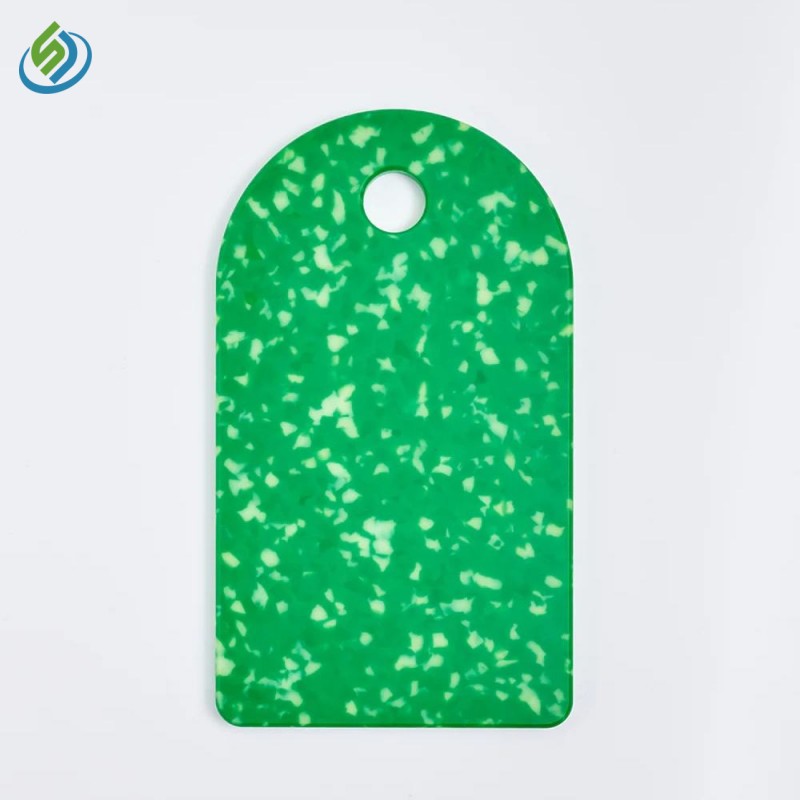
 Food-Grade Kitchenware
 Food-Grade Kitchenware
 Food-Grade Kitchenware
 Food-Grade Kitchenware
 Food-Grade Kitchenware
 Food-Grade Kitchenware
 Food-Grade Kitchenware
 Food-Grade Kitchenware
 PP Sheet
Contact Us
If you have any cooperation intentions or product questions, please leave us a message!
We will get back to you as soon as possible!


Search Starts Here
Leave A Message
If you are interested in our products and want to know more details,please leave a message here,we will reply you as soon as we can.